An Asham Al-Watan Development Organization Project · Education

NAHDA | نهضة

A project of Asham Al-Watan Development Organization supporting education and improving the learning environment, through the rehabilitation of government schools and the creation of safer, better-equipped learning environments for students.

4Target schools
$160,000Funding target
4Areas in Khartoum State
SalamaPhase One — Launch site
NAHDA — an Asham Al-Watan Development Organization project to rehabilitate government schools
NAHDA project visual identity Asham Al-Watan Development Organization
4Target schools
$160,000Total funding target
$40,000Funding target per school
4Target areas
Current phase: Salama Focus: Girls' primary schools Beneficiaries: To be updated after assessment
NAHDA is a project of Asham Al-Watan Development Organization supporting education and improving the learning environment, through the rehabilitation of government schools and the provision of safer, better-equipped environments for students — with a special focus on supporting girls' education.

Why NAHDA

Access to quality education starts with a well-prepared learning environment

NAHDA is part of Asham Al-Watan Development Organization's efforts to expand access to safe, well-prepared education, by supporting the rehabilitation of government schools and improving core infrastructure and the learning environment — enabling students and teachers alike to work in more suitable conditions.

NAHDA is an integral part of Asham Al-Watan Development Organization's broader direction toward supporting the education sector and strengthening the learning environment in communities affected by difficult humanitarian and economic conditions. The existence of a school building alone does not guarantee real, quality access to education; the learning process requires a safe, well-prepared environment, core facilities, clean water, electricity, sanitation, and appropriate educational equipment that enable students and teachers to perform at their best.

NAHDA addresses this gap directly and measurably, focusing on the government schools most in need, and working with them according to a clear methodology that ensures every intervention is based on an actual assessment rather than general assumptions.

Through NAHDA, we work with donor organizations, humanitarian and development agencies, companies, institutions, local and international partners, and organizations supporting education and girls' education — on the basis of a long-term institutional partnership, not a limited donation campaign.

Needs Assessment

An actual assessment of each school.

Prioritization

Ranking interventions by actual need.

Resource Mobilization

Partnerships with donors and institutions.

Implementation & Impact

Rehabilitation works and documented results.

Project Scope

4 government schools across Khartoum State

NAHDA targets 4 government schools in different areas of Khartoum State, implemented school by school: each school is assessed and its needs identified, rehabilitation works are then carried out according to priorities and available resources, before moving on to the next school within the NAHDA plan.

Salama Government School, South Khartoum, is the project's launch point and Phase One of the NAHDA plan. The three other schools are upcoming phases — their inclusion does not mean work has started on them simultaneously.
Budget

A clear funding target for each school

The figures below reflect the funding target for delivering the project across all its phases.

$160,000
Total funding target for rehabilitating four schools
$40,000
Estimated funding target per school
4
Government schools targeted by the project

Detailed budget line items for each school will be finalized once the field assessment for that school is complete.

Rehabilitation Scope

What does the rehabilitation include?

Rehabilitation works are determined by each school's actual assessment, prioritizing the areas below according to each school's condition — not on the assumption that every school needs the same interventions.

01

Structural Repairs

The top priority: addressing structural issues affecting school safety and the continuity of learning.

  • Repair of damaged building sections
  • Addressing core structural issues
  • Repairing roofs, walls, doors and windows as needed
  • Improving classroom and facility safety
02

Clean Water Access

A core priority after structural safety: improving water access within schools through suitable storage and cooling solutions tailored to each school's needs.

  • Water coolers and storage tanks
  • Equipment for safe water access
03

Electricity

Improving school electrical infrastructure and addressing issues affecting the use of classrooms and facilities.

04

Educational Equipment & Furnishings

Supporting schools with core equipment that improves the learning process.

  • Blackboards
  • School furniture, desks and chairs
  • Other essential educational equipment per assessment
05

Sanitation & Plumbing

Rehabilitating restrooms and improving plumbing and sanitation facilities according to each school's needs.

Project Objectives

Clear, measurable objectives

  • Improve the learning environment in the targeted government schools
  • Contribute to safer, better-prepared schools for students and teachers
  • Address core structural issues affecting school safety and continuity of learning
  • Improve access to clean water and core facilities
  • Support electricity, educational equipment, sanitation and plumbing
  • Contribute to improving girls' education opportunities by supporting girls' primary schools
  • Mobilize local and international partnerships and resources to support the education sector
Girls' Education

A core dimension of NAHDA

Supporting girls' education is one of the key dimensions of the NAHDA project. The current phase targets girls' primary schools, making the improvement of school infrastructure and core facilities a direct contribution to a more suitable learning environment for female students and their continued education.

Beneficiaries

Who benefits from NAHDA?

4 Target schools
Girls' government schools Nature of targeted schools
4 Areas across Khartoum State

A significant number of female students, teachers and school communities will benefit, with the figure to be updated once school assessments are complete.

Expected Impact

Direct, measurable impact

A safer learning environment
Improved school facilities
Improved access to clean water
Improved sanitation and plumbing services
Improved electrical infrastructure
Essential educational equipment provided
Support for girls' education
Improved learning conditions for students and teachers
Implementation Methodology

From assessment to impact — step by step

01 | Needs Assessment

Visiting the school and assessing buildings, facilities and equipment to determine priorities.

02 | Rehabilitation Plan

Translating assessment findings into a clear intervention plan and estimating required resources.

03 | Resource & Partnership Mobilization

Engaging donors, companies, partners and individuals to mobilize funding and in-kind contributions.

04 | Implementation

Carrying out rehabilitation works according to each school's defined priorities.

05 | Monitoring & Documentation

Following up implementation and documenting the works with photos and reports.

06 | Impact Measurement

Documenting results and showing the difference between before and after the intervention.

07 | Moving to the Next School

Once Phase One is complete, the project moves on to the next school among the target schools.

Target Schools

Four areas across Khartoum State

Implementation proceeds school by school. Salama Government School is the current Phase One, while the three other schools are classified as upcoming phases whose work has not yet begun.

01
Phase One · Current Phase

Salama

South Khartoum

Salama Government School is the project's launch point, currently undergoing a needs assessment ahead of defining its rehabilitation plan.

02
Upcoming Phase

Al-Droshab

North Bahri

Part of the NAHDA plan; the project moves here after completing Phase One.

03
Upcoming Phase

Al-Muwaileh

Rural West Omdurman

Part of the NAHDA plan; the project moves here after completing Phase One.

04
Upcoming Phase

Um Dawban

East Nile

Part of the NAHDA plan; the project moves here after completing Phase One.

Documentation

Sudanese government learning environments

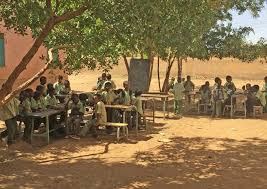
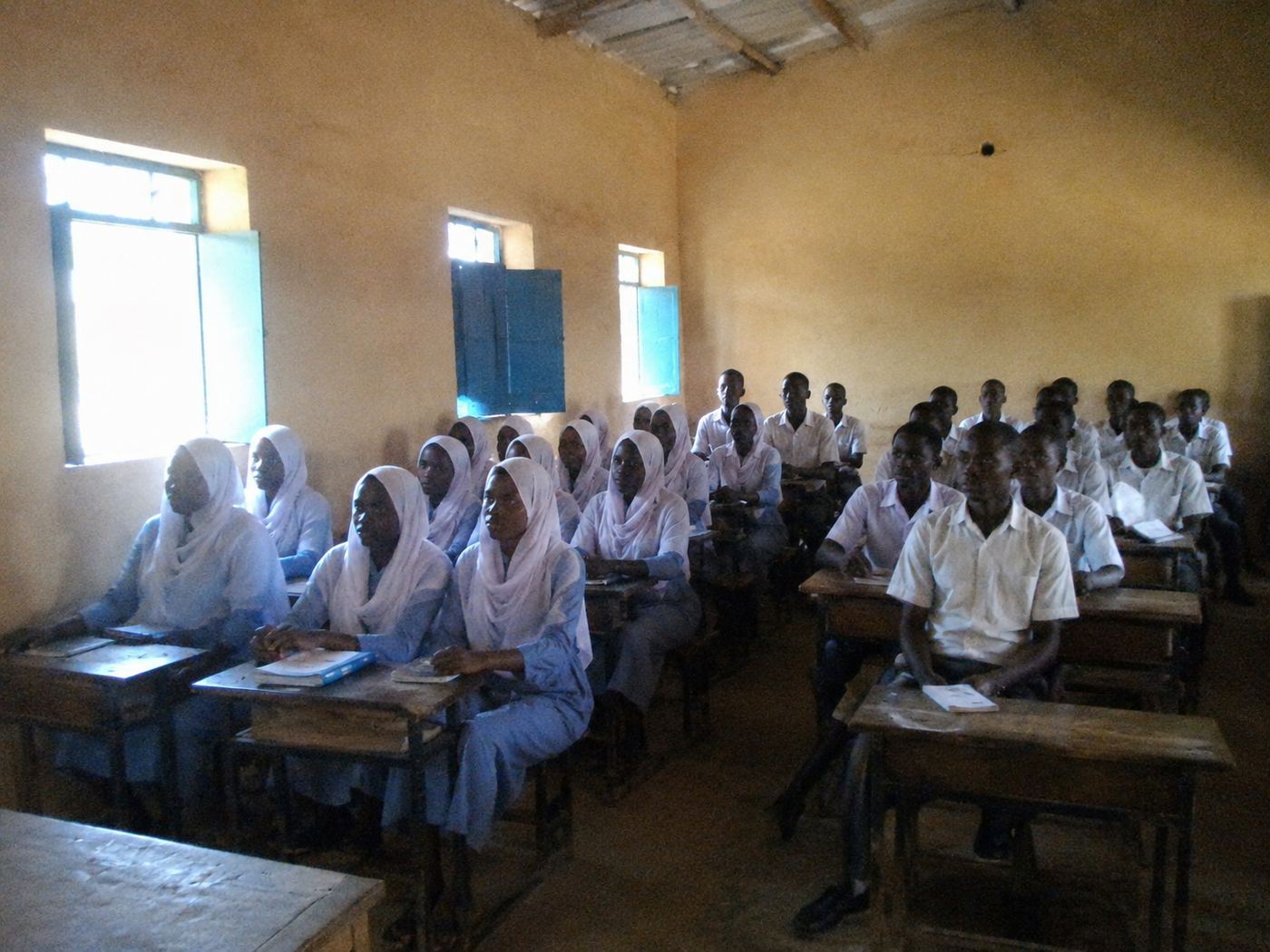
Illustrative images from Sudanese government schools reflecting the nature of the learning environments targeted for support. Works within the four NAHDA target schools have not yet begun, and will be documented once implementation starts.

Partnership & Funding

Become a Partner in NAHDA

NAHDA offers partners and donor organizations an opportunity to contribute to improving the learning environment and supporting girls' education, through practical, measurable interventions in the targeted government schools.

Financial funding
In-kind support
Materials & equipment
Institutional partnerships
Technical expertise
Supporting rehabilitation works
Contact Us

Volunteer with NAHDA

Join the NAHDA volunteer team and contribute your time and expertise to supporting government school rehabilitation.

Volunteer Now
Donations & Support

Support the Rehabilitation of a School

Funding is part of a defined, trackable rehabilitation plan — starting with Salama Government School — not an open-ended fundraising drive.

Contact us about NAHDA

For any inquiries about the project, to send a transfer confirmation, or to discuss partnership and funding.

0924059327
assham.org
Contact Us
Transparency & Accountability

A project you can follow from concept to impact

NAHDA is built on needs assessment prior to intervention, prioritization, work documentation, implementation monitoring, contribution tracking, before-and-after results, and progress and outcome reporting.

Progress Updates

Coming Soon

Project Reports

Coming Soon

Before & After

Coming Soon

Donor Updates

Coming Soon

Start Your Partnership in NAHDA

Whether you are a donor organization, institution, company, or individual, your contribution supports the rehabilitation of government schools and a better learning environment for thousands of future students.

Contribute Now Contact Us