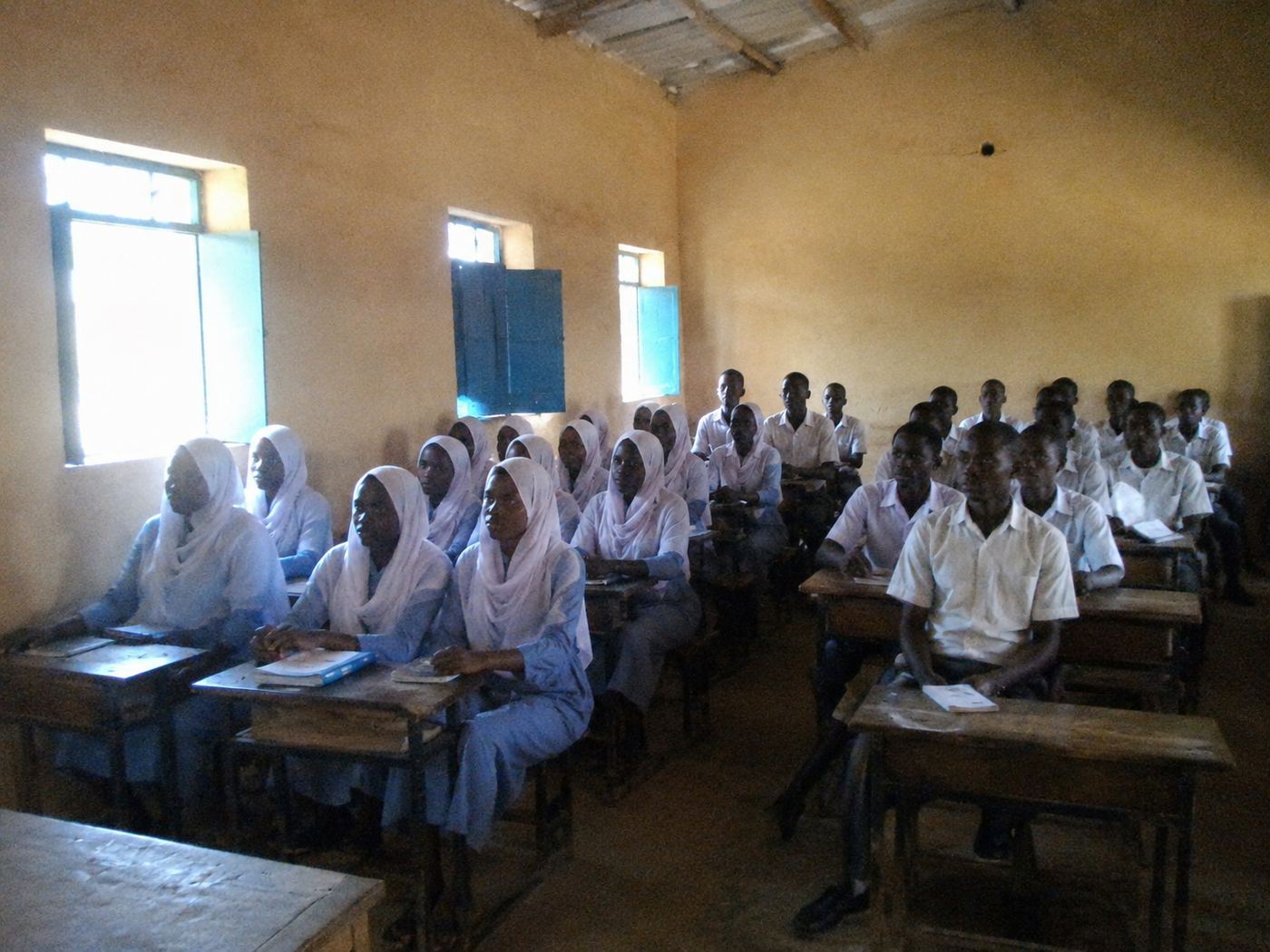
A Sudanese national voluntary humanitarian NGO, working since 2013 to achieve sustainable development and deliver basic services to over 500,000 beneficiaries in Sudan.
An independent national voluntary humanitarian NGO, registered with the Humanitarian Aid Commission of Sudan, headquartered in Khartoum.
Since 2013, we've implemented over 220 projects serving 500,000+ beneficiaries in education, water, health and protection — maintaining field presence through successive conflict periods.
In July 2025, the Humanitarian Aid Commission granted us official accreditation as a trusted national partner to lead reconstruction efforts.
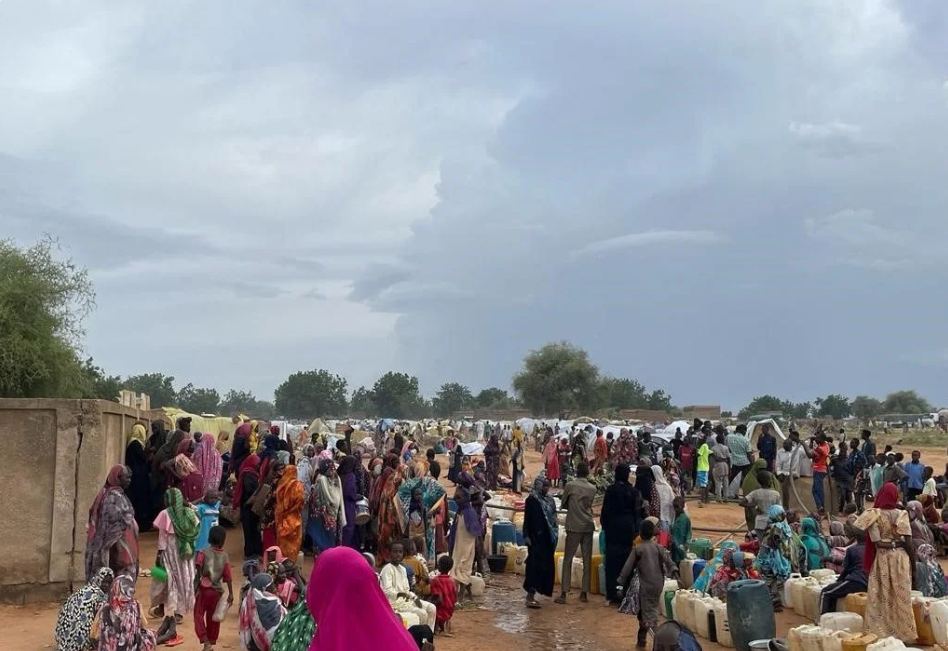
A recovered, resilient and stable Sudanese society, enjoying sustainable basic services and equitable development opportunities.
Delivering effective, sustainable humanitarian and development services through national and international partnerships, and building the capacities of local communities to face challenges and achieve comprehensive development.
Delivering basic services in health, drinking water, electricity, and education.
Supporting health and social care in the most underserved rural areas.
Contributing to voluntary-return programmes for displaced people and refugees to their home areas.
Implementing training, qualification and capacity-development programmes.
Building regional and international partnerships that strengthen development and humanitarian impact.
Supporting youth and combating negative behaviours, and strengthening their community participation.
Protecting the environment and contributing to halting desertification through tree-planting and awareness campaigns.
Clear financial and administrative mechanisms subject to review and accountability.
Strict ethical commitment in all our dealings and decisions.
A genuine volunteer spirit driving our members and volunteers.
Rigorous institutional standards in planning, delivery and evaluation.
Building effective cooperative relationships with all relevant stakeholders.
Long-term development solutions, not temporary projects.
The organization is managed through an institutional structure that ensures transparency and efficiency in decision-making and programme delivery.
The organization's highest authority — approves plans and budgets, elects the Executive Office, and reviews accounts annually to ensure transparency and accountability.
Comprises the Executive Director, Finance & Administration Director, HR & Training Director, Health Director, and Programmes & Projects Director, alongside thematic secretariats (media, women & child affairs, planning & projects, social affairs).
Provides technical and strategic support, and helps mobilize resources and build partnerships supporting the organization's programmes.
Secretary-General: Ibrahim Abdalla Ahmed · Finance Secretary: Kawthar Abdelrahman Hamza — the Executive Office comprises ten thematic secretariats.
We rely on our members as active partners, and fund our activities through transparent financial mechanisms subject to legal review.
The organization was founded and registered with the Humanitarian Aid Commission, operating under Sudan's 2006 Voluntary and Humanitarian Work Act.
A relief convoy for areas affected by the war in North Darfur, in partnership with Kafayat Organization, supported over 5,000 affected people with textbooks, clothing, medicine and food.
Built a complete school in North Darfur, rehabilitated a 75-room student boarding house, and covered tuition, transport and housing costs for over 300 students annually.
An awareness campaign against female genital cutting in Al-Laeit locality, and a treatment camp in Al-Rahad locality that served around 1,200 patients, in partnership with the University of Khartoum.
Emergency response to the Al-Tawisha city fire in North Darfur, supporting over 225 affected families in coordination with the Zakat Chamber.
The Humanitarian Aid Commission granted official accreditation as a qualified national NGO to lead reconstruction and humanitarian-response efforts.
Launched a water desalination plant project in Port Sudan in cooperation with Red Sea State, and concluded the Ramadan Bag 1447H initiative, distributing over 500 parcels.
Because we believe development is not a set of temporary projects... but a long-term commitment to people, communities, and the nation.